

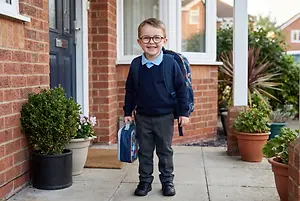
A new school year asks children to shift focus constantly—from books and worksheets to classroom displays, tablets, computers, homework, recess, and sports. Clear, comfortable vision helps them take part in those activities without unnecessary frustration. That makes August a practical time to confirm that your child’s prescription and glasses still meet their needs.
Is Last Year’s Prescription Still Working?
Children’s vision can change as they grow. A pair that worked well last school year may no longer provide the clearest vision, and frames can become too small, bent, or uncomfortable. Children also may not realize that what they see is blurry, especially when a change happens gradually.
Schedule an exam or speak with an eye care professional if you notice squinting, frequent eye rubbing, headaches after reading or screen use, sitting unusually close to screens, holding books close, covering one eye, or trouble seeing the board. These signs do not always mean a prescription change is needed, but they are worth checking.
Why a Comprehensive Children’s Eye Exam Matters
A school or pediatric vision screening is a valuable first check, but it is not the same as a diagnostic eye examination. A comprehensive pediatric eye exam can assess visual clarity, determine whether a prescription is needed or has changed, and evaluate eye health and age-appropriate visual function. The exact testing depends on the child’s age, history, symptoms, and needs.
If your child already wears glasses, has failed a screening, reports a vision change, or is showing signs of difficulty, schedule early. This leaves time for the exam, frame selection, lens preparation, and any final adjustments before the first day of school.
Choosing Children’s Eyeglasses for a Full School Day
Once the prescription is established, the right glasses should do more than look good. They should fit securely, feel comfortable, and hold up to a child’s normal routine.
Start with fit. Frames should sit level and remain in place when your child looks down, moves around, or plays. They should not pinch behind the ears, press uncomfortably on the nose, slide repeatedly, or rest against the cheeks. A proper fit helps keep the lenses positioned as intended and makes consistent wear easier.
Next, consider daily demands. Ask about durable frame options, lightweight materials, impact-resistant lens materials, and lens features appropriate for your child’s prescription and activities. The best choice may differ for a preschooler, a student who spends hours on a computer, and a child who is active in sports or outdoor play. An optical professional can explain the tradeoffs without adding features your child does not need.
Style matters, too. Letting children choose from several parent-approved frames can make glasses feel like part of their personality rather than a chore. A color or shape they genuinely like may help them feel more confident wearing their glasses in class and around friends.
Give Current Glasses a Back-to-School Check: Schedule Today
Before school starts, inspect your child’s glasses for loose screws, bent temples, worn nose pads, scratched lenses, or a fit that has become tight or uneven. Make sure they have a protective case and an easy way to keep lenses clean. Children who depend on glasses throughout the day may also benefit from a backup pair, especially when repairs or replacement would otherwise interrupt school.
Complete Eyecare in Blaine, MN can help families check a child’s vision, update a prescription when needed, and select comfortable prescription eyewear suited to school, activities, and personal style. Schedule early so your child can begin the year feeling prepared—and seeing clearly.