Blog

Blog

Blog

Blog

Complete Eyecare Blog
Learn more about optometry care in our blog!

Diabetes affects many parts of the body, including your eyes. While most people are aware that diabetes can lead to conditions like diabetic retinopathy, fewer realize that it can also increase the risk of developing glaucoma. Understanding this connection is essential, because glaucoma often progresses silently and can cause permanent vision loss if not detected early.

Experiencing tunnel vision can be alarming. While occasional, brief episodes may not always signal a serious condition, persistent tunnel vision can indicate underlying eye problems that require immediate attention. Understanding the potential causes and scheduling a comprehensive evaluation with an eye doctor in Blaine, MN is the best way to protect your vision and overall eye health.

Glaucoma is often called the “silent thief of sight” because it can slowly damage vision without noticeable symptoms in its early stages. For many patients, glaucoma begins subtly and remains manageable for years with proper care. However, in some cases, the disease can become progressive, meaning vision loss continues despite initial treatment. Understanding what progressive glaucoma is, how it’s detected, and what treatment options exist can help patients take an active role in protecting their long-term vision.

We’ve all done it - endlessly scrolling through news, emails, or social media long after we meant to stop. While this “doom scrolling” habit may seem harmless, it can have a real impact on your eye health.
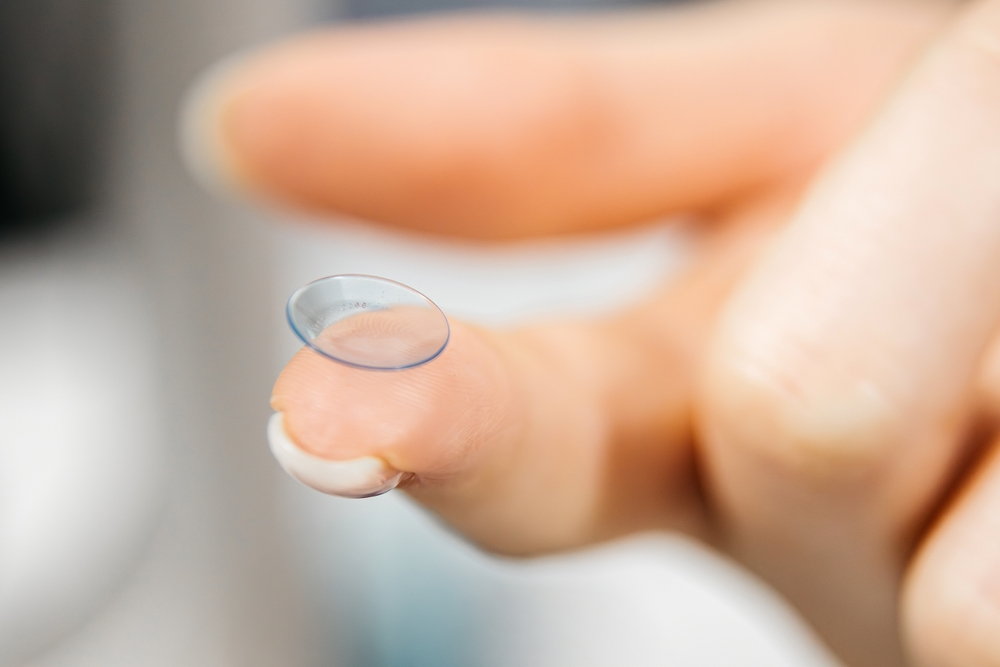
If you wear contact lenses, you already know how much they can improve your daily comfort and vision. But like all vision correction methods, contact lenses don’t last forever and neither do your prescriptions.

Macular degeneration is one of the leading causes of vision loss in adults over the age of 50. Despite its prevalence, many people are unaware of its early warning signs or the importance of timely diagnosis.
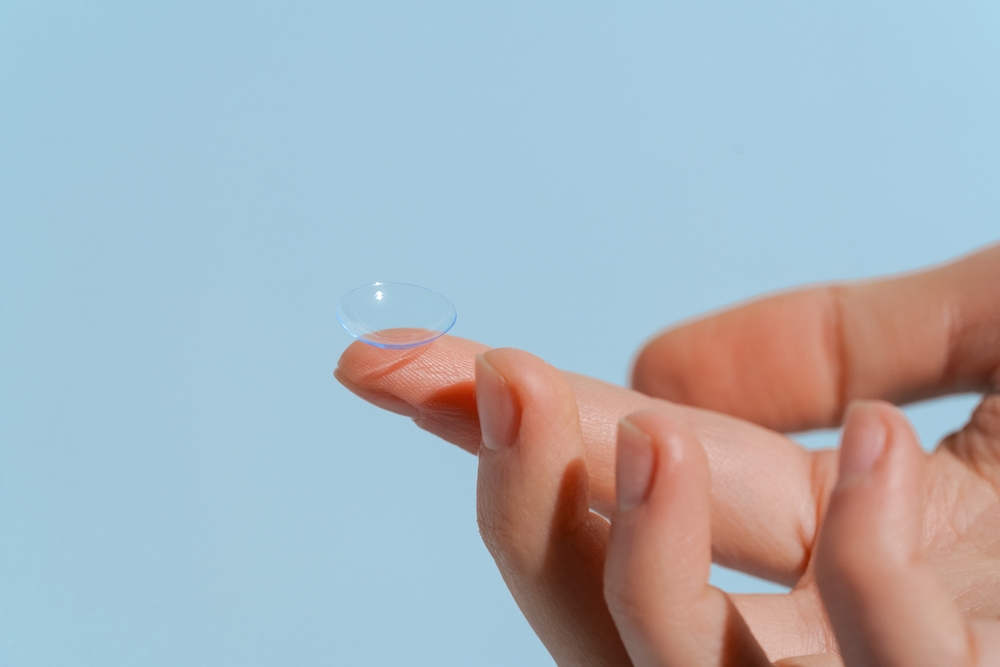
When it comes to vision correction, contact lenses offer a comfortable and convenient alternative to glasses. However, not everyone’s eyes are the same and for many people, traditional contact lenses just don’t cut it.
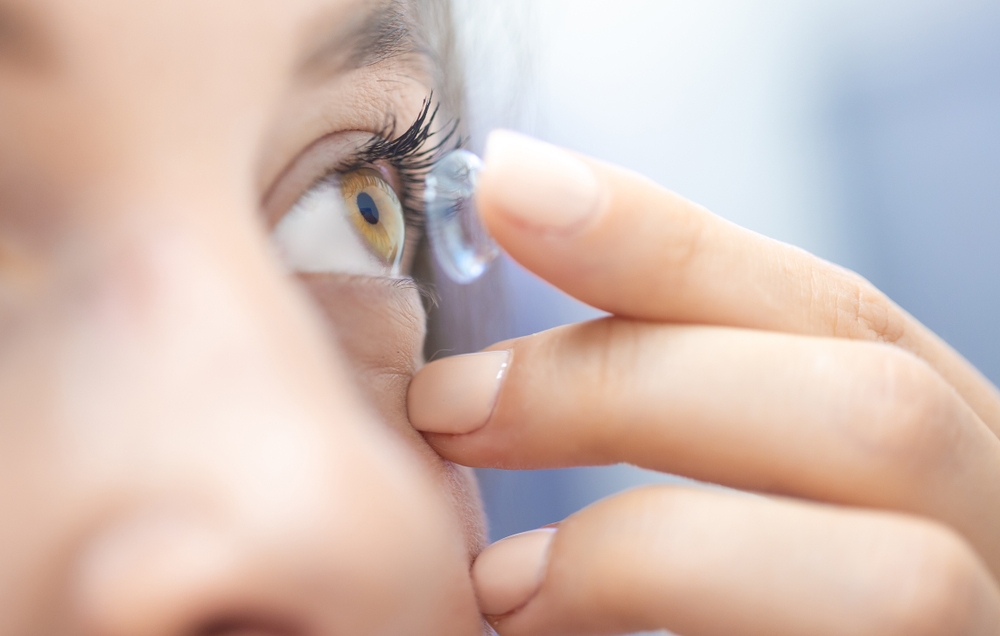
Contact lenses have evolved significantly over the years, offering wearers better comfort, clarity, and convenience than ever before. Thanks to advancements in materials and design, modern lenses are no longer limited by the discomfort or vision issues that once made them difficult for some people to wear. Whether you're considering contacts for the first time or looking to upgrade your current lenses, today’s technology offers options that can enhance both your visual experience and overall eye health.

Astigmatism is a common refractive error that affects how light enters the eye, often leading to blurred or distorted vision. For many individuals, standard spherical contact lenses aren’t enough to provide clear and stable vision correction.

Dry macular degeneration is a common eye condition that affects the central portion of the retina, known as the macula. It is a leading cause of vision loss in people over 50 and progresses gradually over time. While it does not typically cause total blindness, it can significantly impact your ability to read, drive, recognize faces, and perform other daily tasks that require sharp central vision. Understanding how this condition progresses can help you take proactive steps to manage it effectively and preserve your eyesight for as long as possible.


Contact Us
Let’s keep in touch!

contact information
- Monday 8:30 AM – 5:00 PM
- Tuesday 8:30 AM – 5:00 PM
- Wednesday 9:30 AM – 6:00 PM
- Thursday 8:30 AM – 5:00 PM
- Friday 8:30 AM – 1:00 PM
- Saturday By appointment
- Sunday Closed
© 2026 Complete Eyecare | All rights Reserved | Accessibility Statement | Privacy Policy |Terms & Conditions| Sitemap
Powered by:
